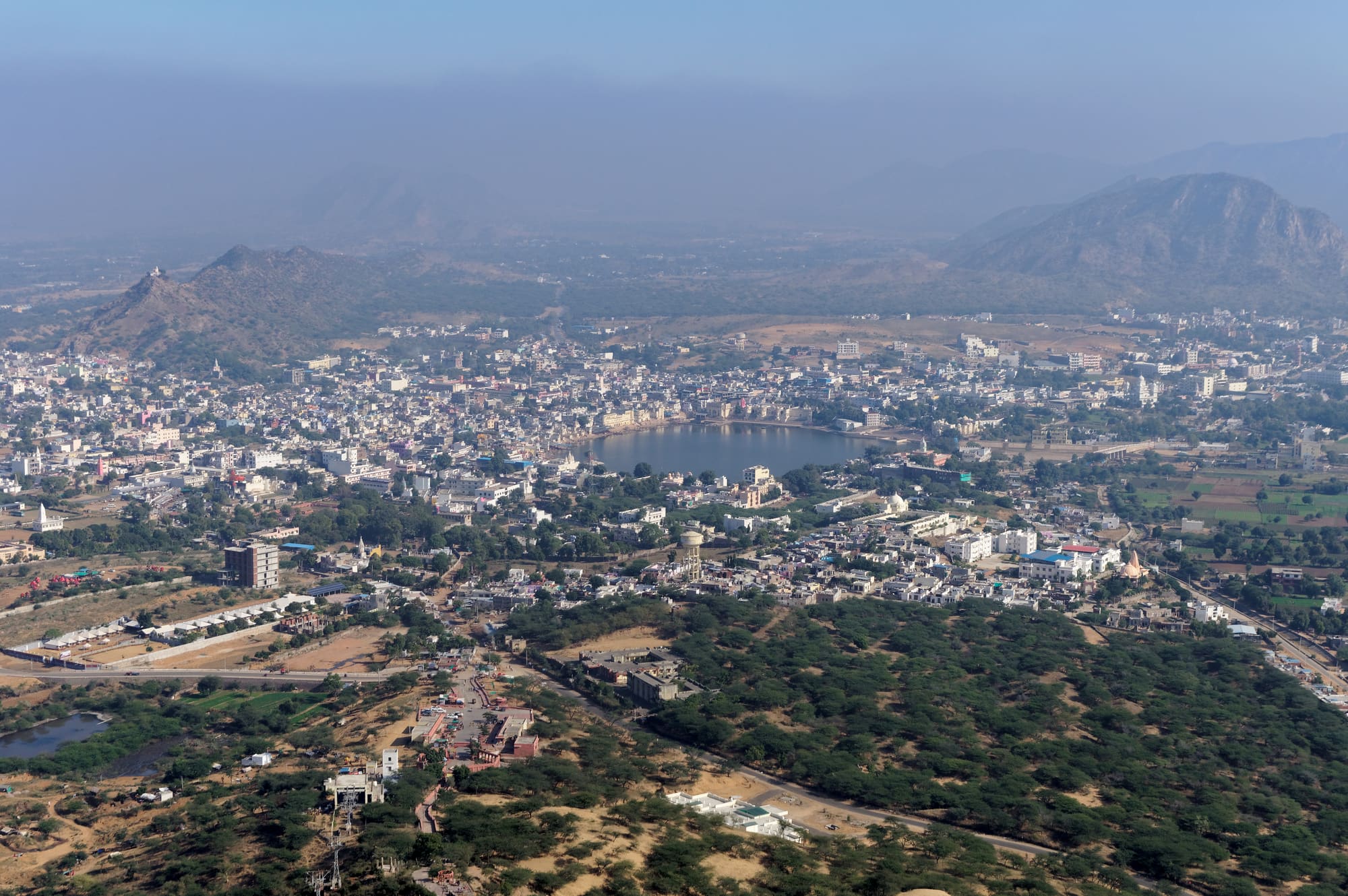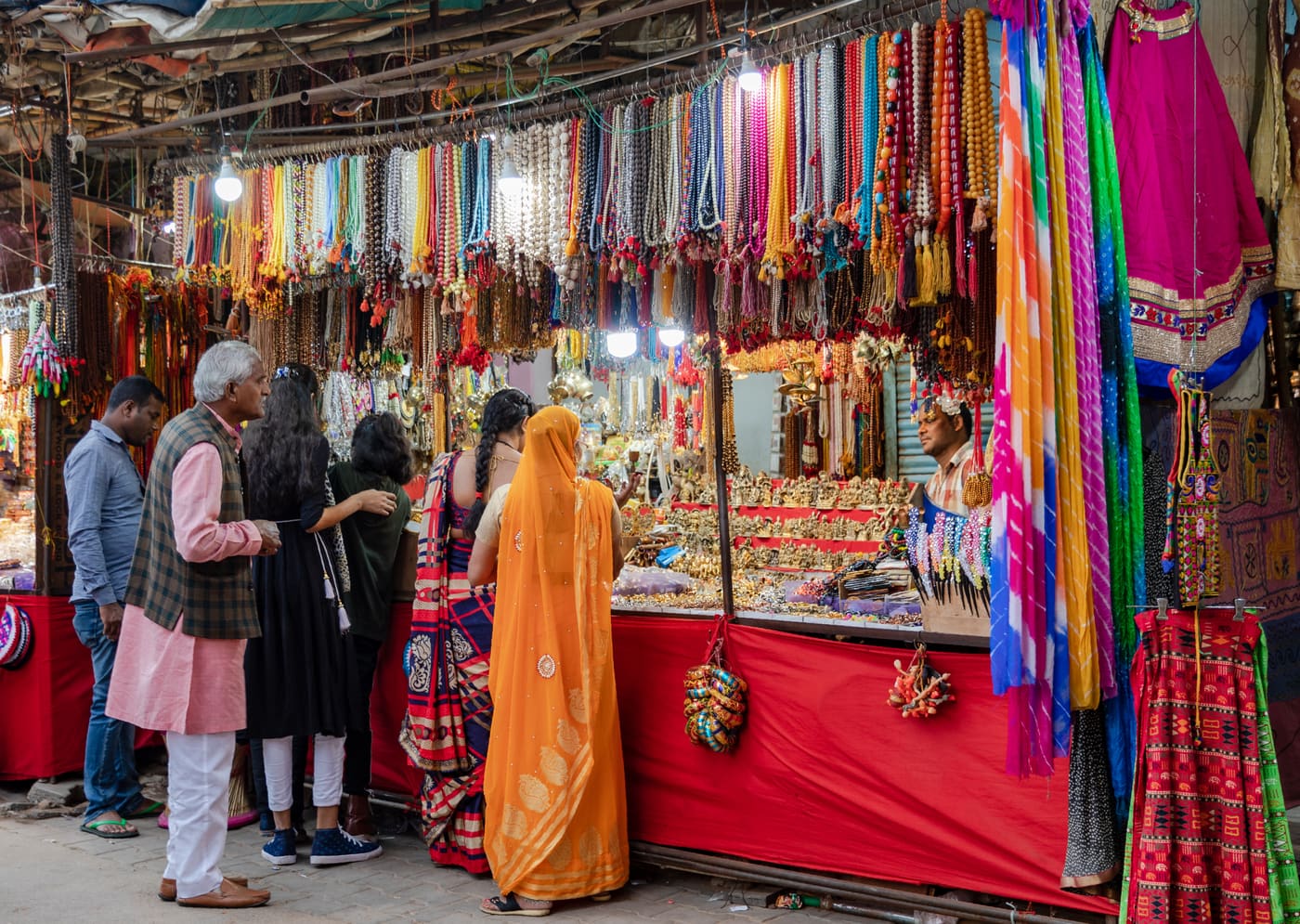
The short answer: October to March, and within that, late November to February for the most comfortable weather. November is the exception in every direction — it brings the Camel Fair, the best atmosphere of the year, the biggest crowds and the highest prices, all at once.
Season by season
Winter (November–February)
Best weather, biggest crowds in November
Daytime temperatures in the mid-20s °C with clear skies and cold nights — December and January can drop close to single figures after dark, so bring a jacket. This is peak season and deservedly so: walking the ghats and climbing the hills is a pleasure rather than an ordeal. November adds the Camel Fair, which transforms the town and the prices.
Spring (March)
Best for Holi and roses
March is warm rather than hot, the rose fields around the town are in harvest, and Holi — celebrated with real enthusiasm in Pushkar — draws a substantial crowd of its own. A very good month, and the last comfortable one before the heat arrives.
Summer (April–June)
Cheapest, and genuinely hot
Daytime temperatures push past 40 °C and the middle of the day becomes something to sit out rather than sightsee through. Rooms are at their cheapest and the town at its emptiest, which some travellers will take. If you come, do everything before 10:00 and after 17:00, and book a hotel with a pool.
Monsoon (July–September)
Green, humid and quiet
The rains soften the heat and turn the Aravalli hills briefly green, and the lake — which has been dangerously low in past droughts — fills up. Showers are usually short rather than all-day. Crowds are thin, prices low, and September in particular can be an underrated month.
Quick recommendations
- Best all-round month: February — warm days, cool nights, no crowds and everything open.
- Best for atmosphere: November, for the Camel Fair — but book months ahead and expect to pay for it.
- Best for photography: November and December, for clear light, dust-free mornings and the fair.
- Best for a budget trip: July to September — low prices, green hills and a town almost to yourself.
- Avoid if you can: May and early June, unless heat genuinely does not bother you.
Festivals worth planning around
The Camel Fair (Kartik, Oct–Nov) is the big one, culminating in mass bathing at the ghats on Kartik Purnima. Holi in March is celebrated energetically here and draws a young international crowd. Diwali falls a couple of weeks before the fair and lights the whole town. Because all of these follow the lunar calendar, check the current year’s dates before you commit to anything.