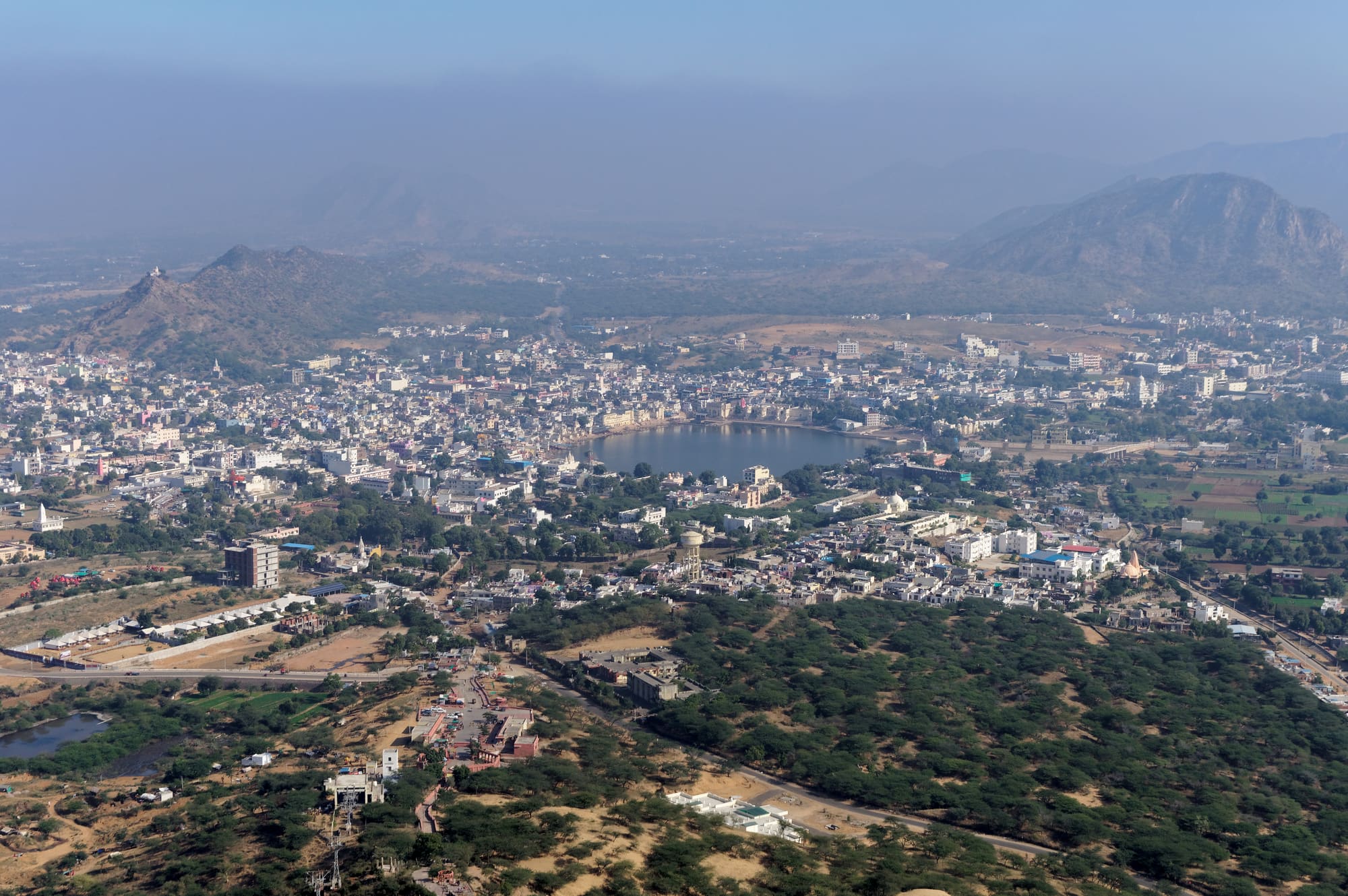
Fifteen kilometres over the Nag Pahar hills from Pushkar lies a city that most visitors treat as a bus change, and a shrine that is one of the most significant in the Islamic world. The Dargah Sharif holds the tomb of Khwaja Moinuddin Chishti, the Sufi saint who arrived in Ajmer in the late 12th century and whose order shaped devotional life across South Asia.
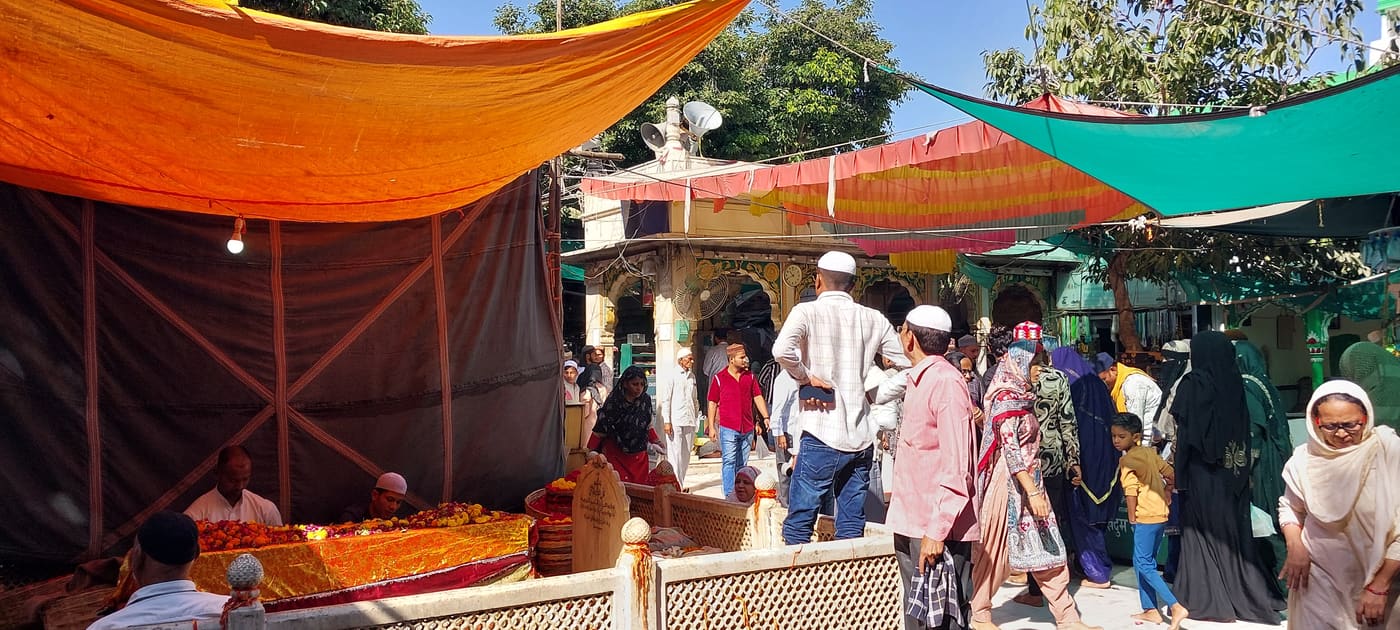
What makes it extraordinary is who comes. Muslims, Hindus and Sikhs all make pilgrimage here; emperors from Akbar onwards walked to it; and on any evening the courtyards fill with qawwali singers, the smell of rose petals, and enormous cauldrons — the degs — in which rice is cooked for distribution. It is intense, crowded and completely unlike anything in Pushkar.
Top things to do at Ajmer Sharif Dargah
Follow the bazaar to the Nizam Gate
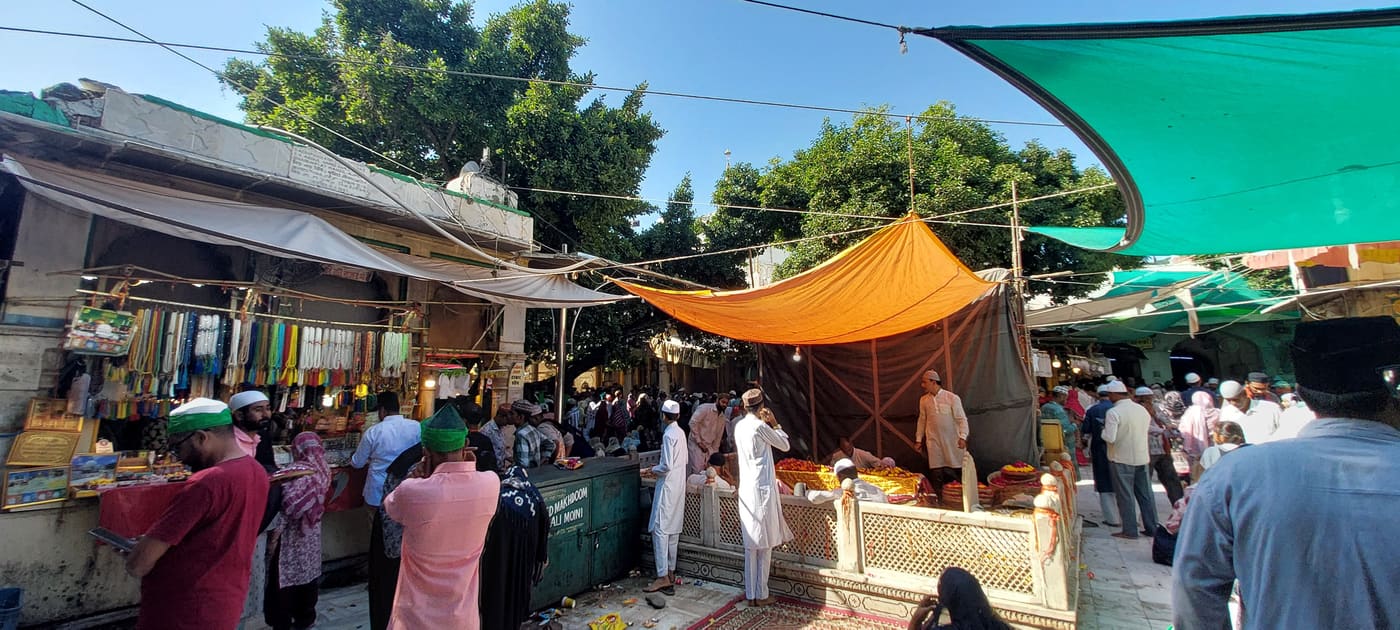
The approach through the shrine bazaar — rose petals, chadars, attar, prayer caps — is part of the experience and where most of the photographs are.
Hear the evening qawwali
Singers perform in the courtyard after sunset. It is the reason to time your visit for late afternoon rather than the middle of the day.
See the degs
Two vast cauldrons stand in the courtyard, gifts of Akbar and Jahangir, still used to cook rice for distribution to pilgrims.
Add Adhai Din Ka Jhonpra
Ten minutes’ walk away, a 12th-century mosque raised on the columns of dismantled temples — a ruined arcade of extraordinary beauty, and usually almost empty.
How to get to Ajmer Sharif Dargah
- From Pushkar: buses run from the Pushkar bus stand to Ajmer every few minutes and take about 30 minutes over the hill; a taxi or rickshaw takes around 25.
- By rail: Ajmer Junction is the nearest mainline station to Pushkar and is a 10-minute rickshaw ride from the Dargah.
- By tour: guided Ajmer and Pushkar day trips, and the Ajmer city walking tour, both cover the Dargah with a guide — worth it at a shrine this layered.
- Heads must be covered inside the shrine, by everyone. Caps and scarves are sold at every stall on the approach for a few rupees.
- Shoes are left at stands outside the gates, for a small fee. Go with minimal valuables — the crowds are dense.
- Thursday evenings and the annual Urs festival are the most atmospheric times and also by far the busiest; a weekday afternoon is a gentler introduction.
Best tours & tickets for Ajmer Sharif Dargah
These top-rated experiences are the easiest way to enjoy Ajmer Sharif Dargah and its surroundings:
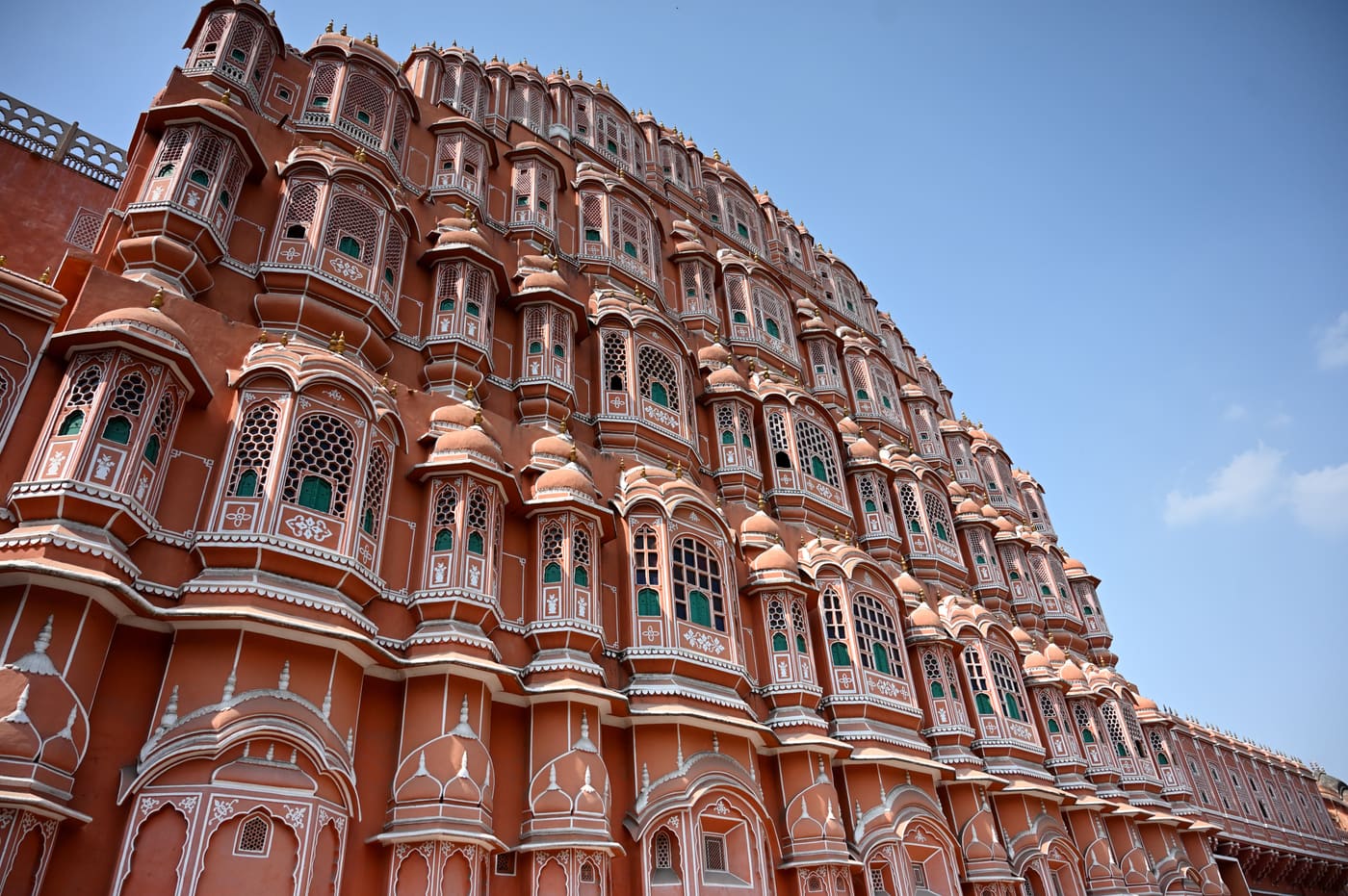 Private day trip from €8
 From Jaipur: Private Ajmer & Pushkar Tour by Cab
Ajmer and Pushkar sit 15 km apart but belong to entirely different worlds: one a Sufi shrine that draws pilgrims of every faith, the other a Hindu temple town wrapped around a holy lake. Doing both in a day only really works with your own car, and that is exactly what this is — a private cab and driver from Jaipur, yours from morning until evening. Because it is private, you set the balance: longer at the Dargah, longer at the ghats, or an extra half-hour in the bazaar. With 30 reviews and a 4.5 rating, it is the most road-tested option of its kind.
- Your own car and driver for the whole day
- Ajmer Sharif Dargah, one of South Asia’s great Sufi shrines
- Pushkar Lake, the ghats and the Brahma Temple
 Guided day tour from €63
 Ajmer & Pushkar: Full-Day Guided Tour with Lunch
The guided, everything-handled version of the Ajmer–Pushkar pairing, starting from Ajmer itself: handy if you arrive by train, since Ajmer Junction is the nearest railhead to Pushkar. A guide takes you through the Dargah of Khwaja Moinuddin Chishti — a place that has drawn pilgrims for eight centuries — then over the Nag Pahar hills to Pushkar for the lake, the ghats and the Brahma Temple. Lunch is included, which matters more than it sounds on a day this full.
- Live guide for both Ajmer and Pushkar
- Ajmer Sharif Dargah and the Adhai Din Ka Jhonpra ruins
- Pushkar’s Brahma Temple, lake and ghats
 Guided walking tour from €32
 Ajmer: Guided City Walking Tour
Ajmer is the city most Pushkar visitors pass through and almost nobody stops in, which is a mistake — it holds one of the most important Sufi shrines in the world. This walk covers the Dargah and the extraordinary lanes of its bazaar, the ruined-arcade beauty of Adhai Din Ka Jhonpra, and the lakeside pavilions the Mughals left behind. Ajmer rewards a guide more than most places: the Dargah is busy, layered and full of custom, and having it explained is the difference between being jostled and being moved.
- The Dargah bazaar and the shrine of Khwaja Moinuddin Chishti
- Adhai Din Ka Jhonpra, a 12th-century mosque built from temple stone
- Ana Sagar lake and the marble pavilions of Shah Jahan